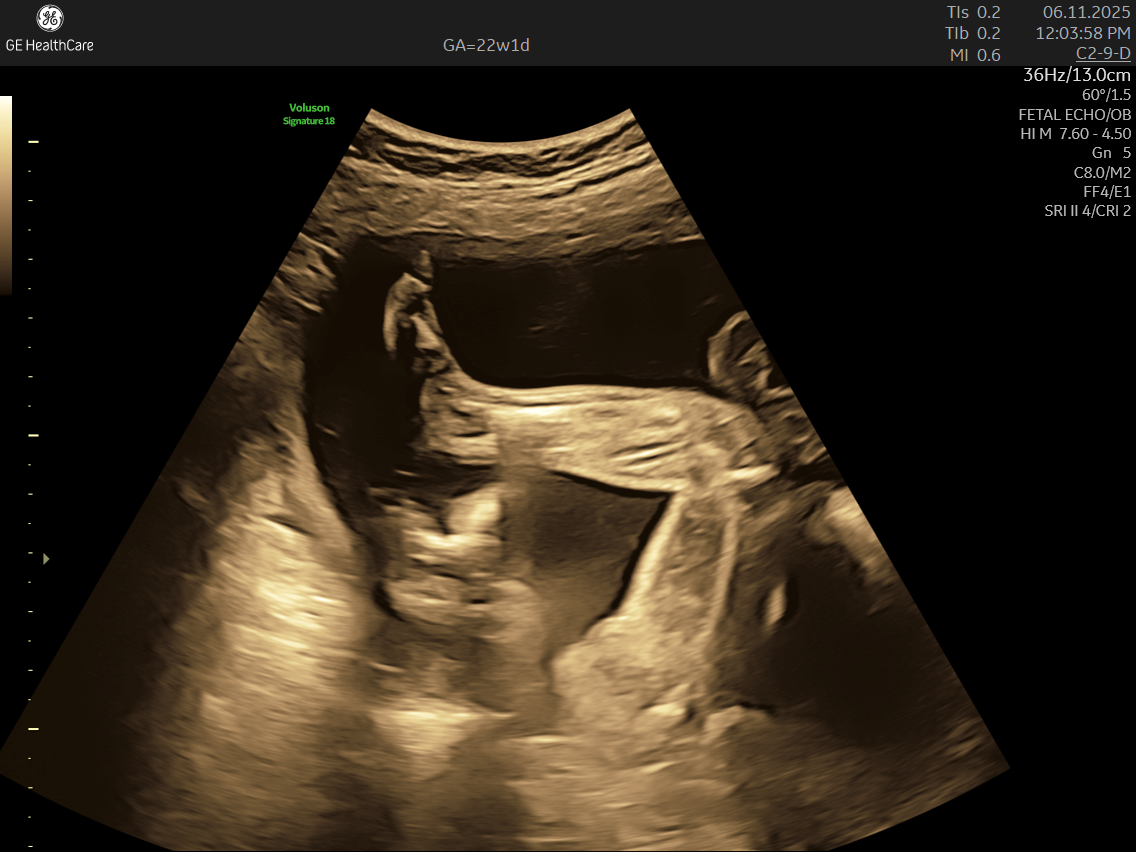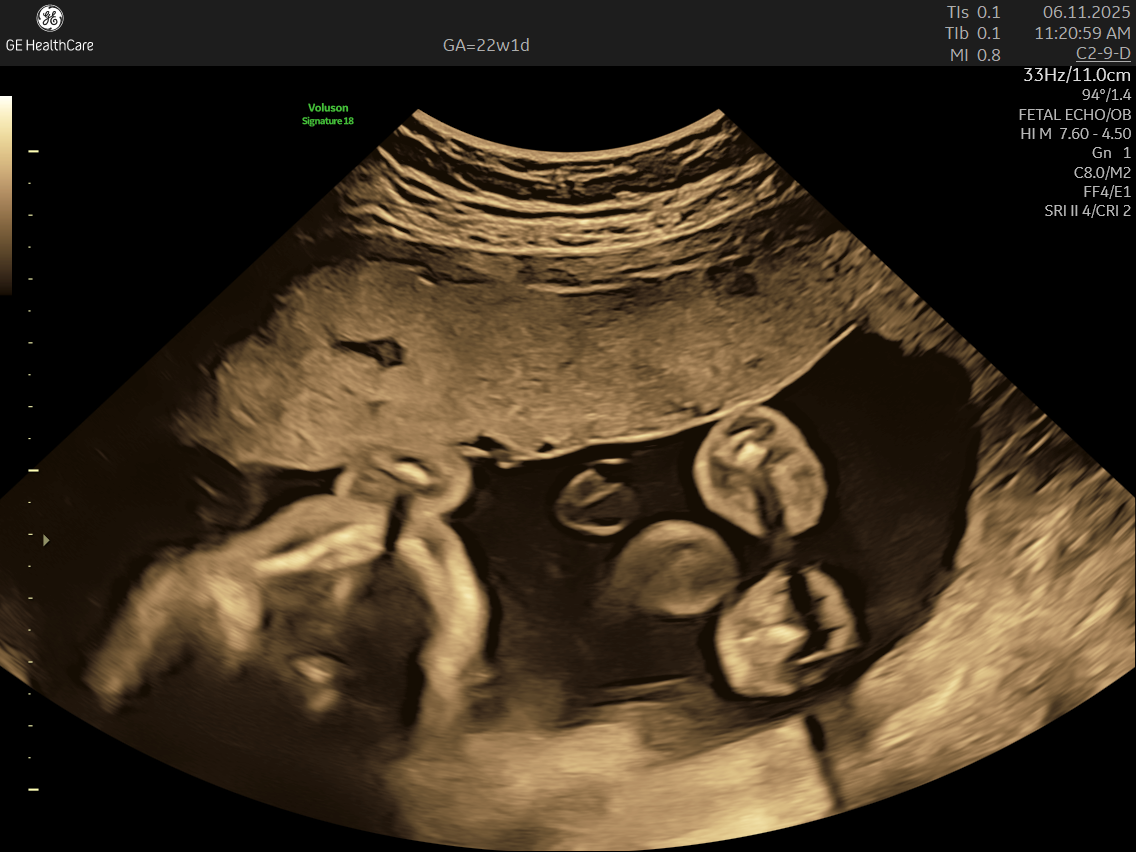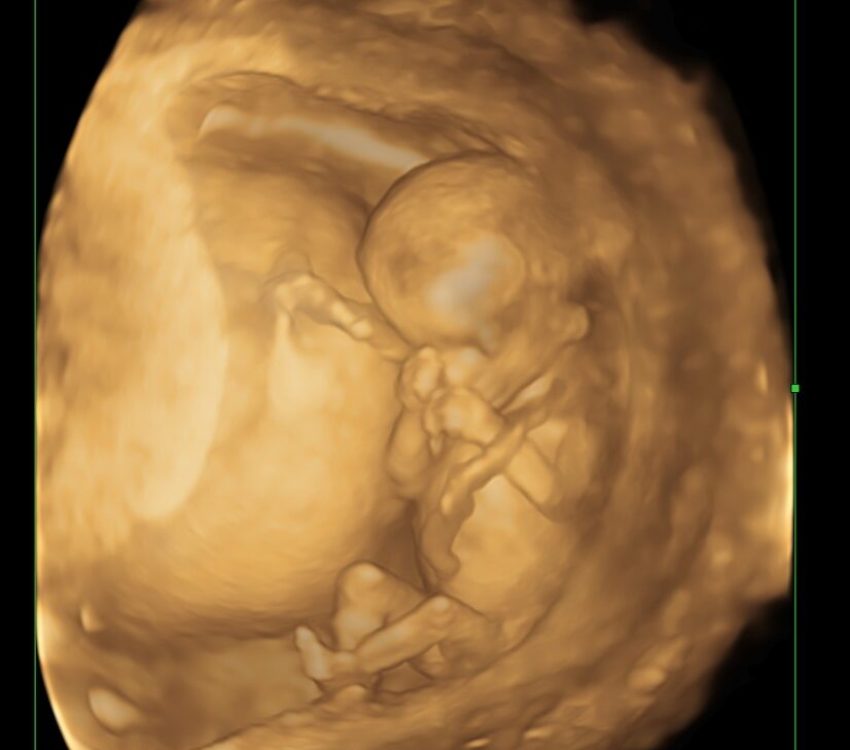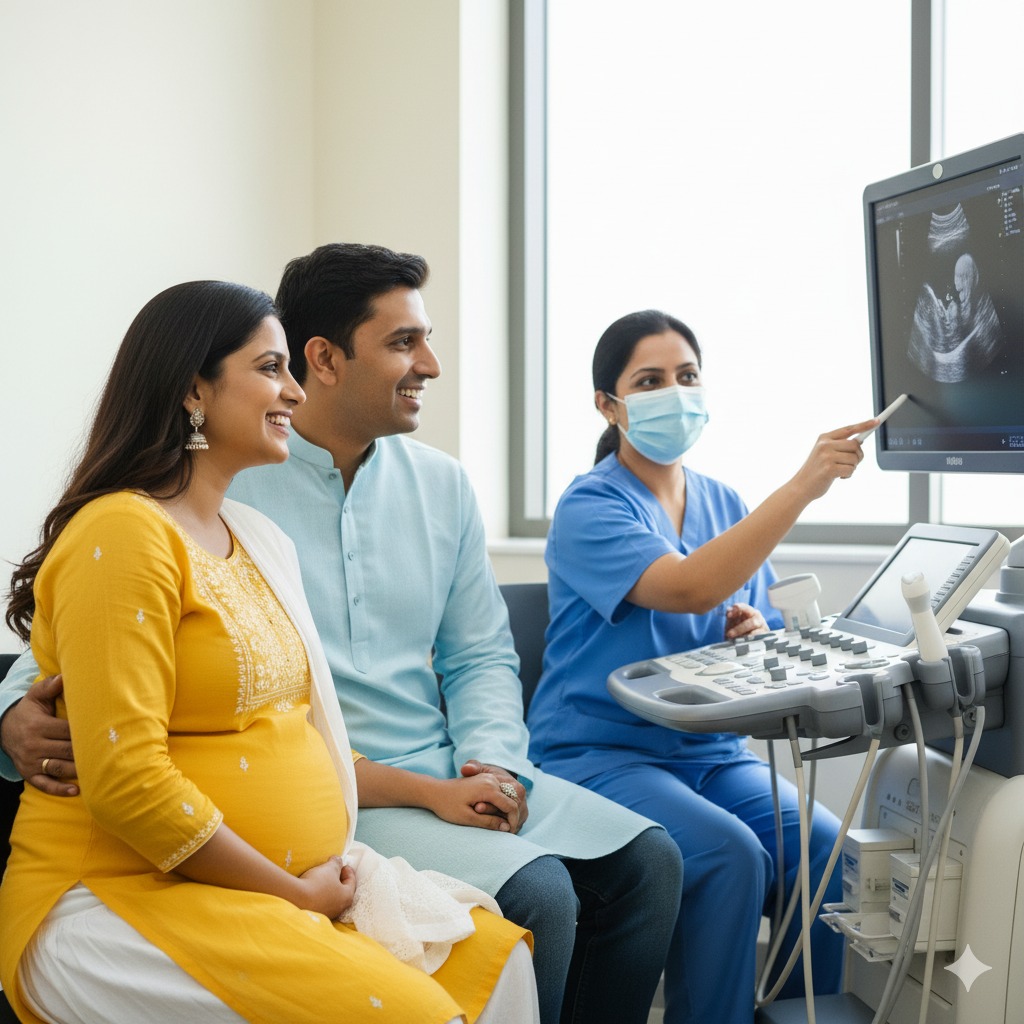
Pregnancy is a journey full of wonder, excitement — and anxiety. For expectant mothers, one of the biggest concerns is: Is everything okay with the baby inside me? That’s where antenatal screening and ultrasound monitoring come into play. These aren’t just “nice-to-have” checks — they’re essential tools used by experts in maternal-fetal medicine to keep an eye on fetal health, detect potential issues early, and manage risks proactively.
At NESA Institute of Fetal Medicine, we believe in leveraging cutting-edge imaging and specialist care to support both mother and baby throughout the pregnancy. This page will walk you through the key scans in each trimester, why they matter, and how they all tie back into the care philosophy of maternal-fetal medicine.
What Is Maternal-Fetal Medicine — And Why It Matters
Often abbreviated as MFM, maternal-fetal medicine is a subspecialty of obstetrics focused on high-risk pregnancies, fetal anomalies, and prenatal diagnostics. An MFM team brings together specialized obstetricians, radiologists, genetic counselors, and sonographers to:
- Monitor fetal development more closely
- Detect structural or functional anomalies early
- Provide counseling to parents about possible interventions, outcomes, and options
- Plan delivery strategies (e.g. timings, mode of birth, neonatal care) when risks are identified
Because every pregnancy is unique, MFM enables a more precision-based, responsive care path — not just “routine scans” but scans tailored by risk profile, previous history, and findings along the way.
Who Is a Fetal Medicine Specialist?
A fetal medicine specialist is an obstetrician with additional training in high-risk pregnancy, prenatal imaging, and fetal diagnosis/therapy. Their role includes:
- Interpreting advanced ultrasound findings
- Coordinating further tests (e.g. genetic tests, MRI)
- Counseling parents on prognosis, possibilities, and ethical choices
- If required, coordinating fetal interventions or surgical planning
- Following up through birth and beyond in collaboration with neonatology