Advanced Gynecological Ultrasound Scans at NESA institute of Fetal Medicine
With rapid advancements in ultrasound imaging, it’s now possible to detect even complex gynecological conditions with remarkable precision.
We’re living in a time where ultrasound technology is evolving faster than ever — bringing sharper clarity, smarter software, and greater diagnostic accuracy.
Today, there are imaging systems designed exclusively for women’s and gynecological health, equipped with specialized probes and AI-assisted software that allow doctors to evaluate intricate reproductive structures in detail. personalisedThese innovations have transformed ultrasound into a powerful tool for early detection, accurate diagnosis, and personalized treatment planning in women’s healthcare.
Read Role of Gynaecological Ultrasound Scans in Women’s Health to know more.
Who Should Get These Scans
Gynecological ultrasounds are recommended for women of all ages, whether you’re monitoring your reproductive health, planning a pregnancy, or investigating certain symptoms.Here are some of the most common situations where your doctor might suggest one:
1. If You Have Irregular or Painful Periods
Changes in your menstrual cycle — like missed periods, unusually heavy bleeding, or severe cramps — often signal an underlying hormonal or structural issue.
A gynecological ultrasound helps your doctor check for PCOS (Polycystic Ovary Syndrome), fibroids, or endometrial problems that could be affecting your cycles.
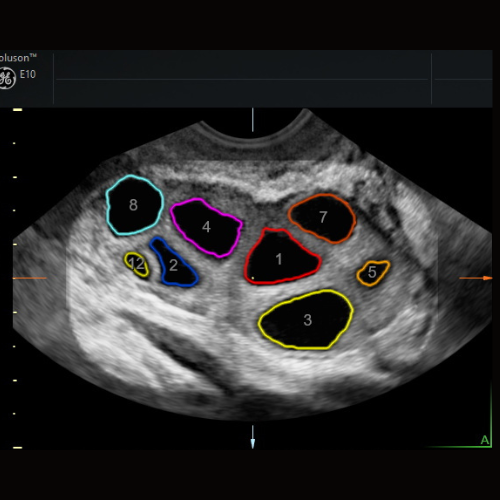
For example, a woman who’s been skipping periods for months might discover multiple tiny ovarian follicles, confirming PCOS — a condition that can be managed effectively once diagnosed early.
2. If You’re facing difficulty in conceiving
For those planning pregnancy or undergoing fertility treatment, ultrasound scans are a cornerstone of fertility care.
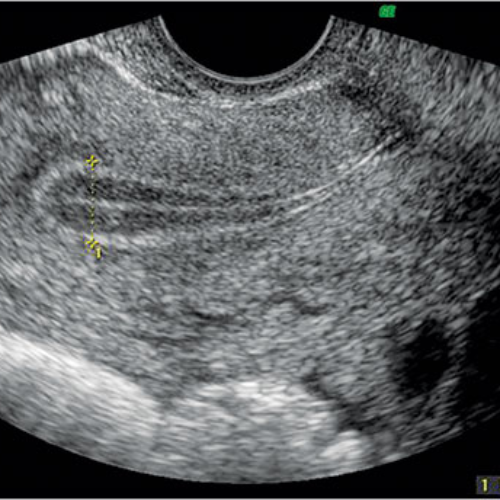
They help monitor ovulation, egg growth, and endometrial thickness, ensuring your body is ready for conception.
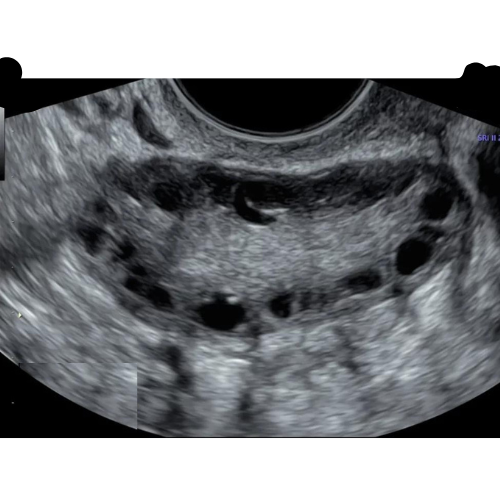
At NESA, we use follicular studies and endometrial thickness scans to guide your fertility plan — so you know exactly when your chances of conception are highest.
3. If You Experience Pelvic Pain, Bloating, or Discomfort
Persistent lower abdominal pain, pressure, or swelling can stem from hidden conditions like ovarian cysts, endometriosis, or pelvic infections.
An ultrasound provides a clear, non-invasive way to identify the cause of discomfort.
For example, if you’ve been feeling dull pelvic pain that worsens before your period, a scan can reveal endometriotic cysts — helping your doctor start early treatment to prevent worsening pain or fertility issues.
4. If You’re Managing a Known Condition
If you’ve already been diagnosed with PCOS, endometriosis, or fibroids, routine scans help track how well your body is responding to treatment or hormonal therapy.
They also detect changes that might require adjustments to your medication or lifestyle.
At NESA, these follow-up scans are done with consistency and care — helping you stay informed about your body’s progress.
5. If You’ve Had Surgery or Are Recovering from a Procedure
Post-surgical ultrasounds are essential for ensuring proper healing and ruling out any complications like internal scarring or fluid collection.
For example, after a fibroid removal surgery, a follow-up scan can confirm that your uterus has healed well and is structurally sound for future pregnancies.
6. For Routine Reproductive Wellness
Even if you don’t have symptoms, an occasional gynaecological ultrasound is a good preventive step — especially after age 30 or if there’s a family history of ovarian or uterine issues. A routine pelvic scan helps establish your baseline reproductive health and catch subtle changes before they cause concern.
7. If you are experiencing Postmenopausal bleeding
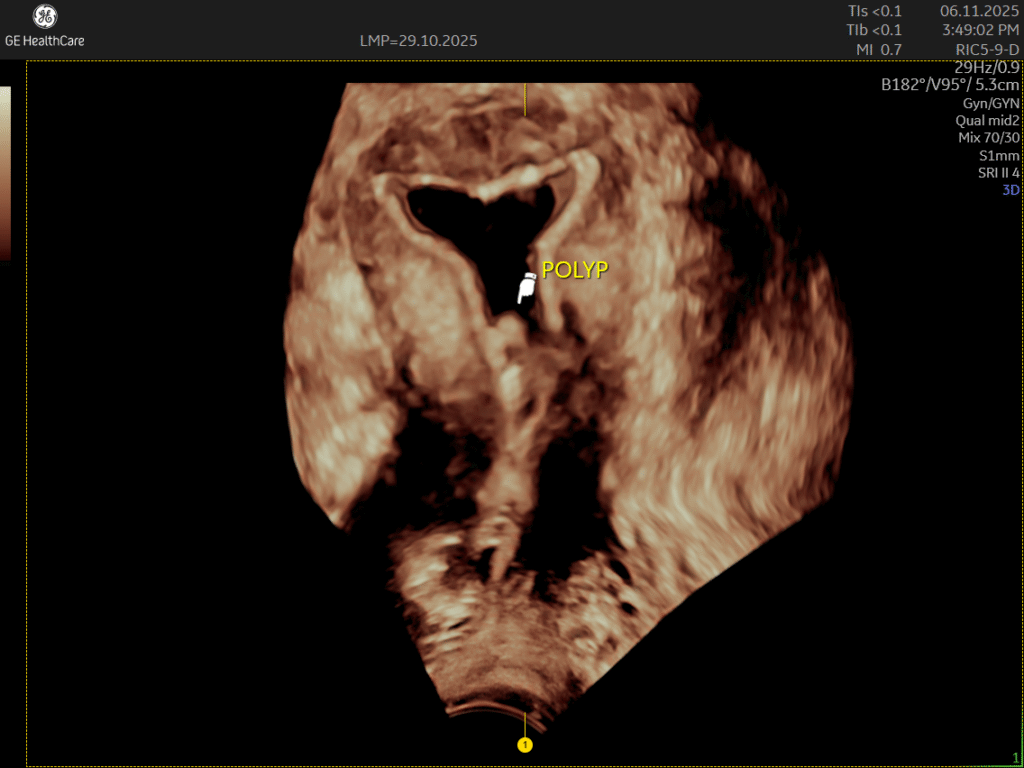
Postmenopausal bleeding, though often caused by benign conditions like vaginal or endometrial atrophy, may also be the first symptom of endometrial cancer; almost 90% of women with this cancer present with bleeding.
What to Expect During Your Gynecological Ultrasound Scan
At NESA Institute of Fetal Medicine, we understand that any medical scan—especially one related to reproductive health—can feel a little unfamiliar or even intimidating.
That’s why our specialists take time to explain every step before, during, and after your scan — so you always feel informed, respected, and at ease.
Here’s what typically happens during a gynecological ultrasound:
1. Pre Scan Preparation
When you arrive at NESA, our care team will first review your medical history and explain the type of scan recommended — transabdominal (pelvic) or transvaginal (internal). You’ll have time to ask questions, use the restroom, and get comfortable.
- For a pelvic scan, you’ll usually be asked to come with a full bladder, as it helps provide a clearer view of your pelvic organs.
- For a transvaginal scan, the bladder should be empty for more precise imaging.
A female staff member is always present throughout the procedure for your privacy and comfort.
2. The Scan Experience
The ultrasound itself is completely safe, radiation-free, and usually takes about 15–30 minutes. Most gynecological scans are done using transvaginal or pelvic ultrasound.
- In a pelvic ultrasound, the sonologist gently moves the probe over your lower abdomen using a clear gel that helps transmit sound waves.
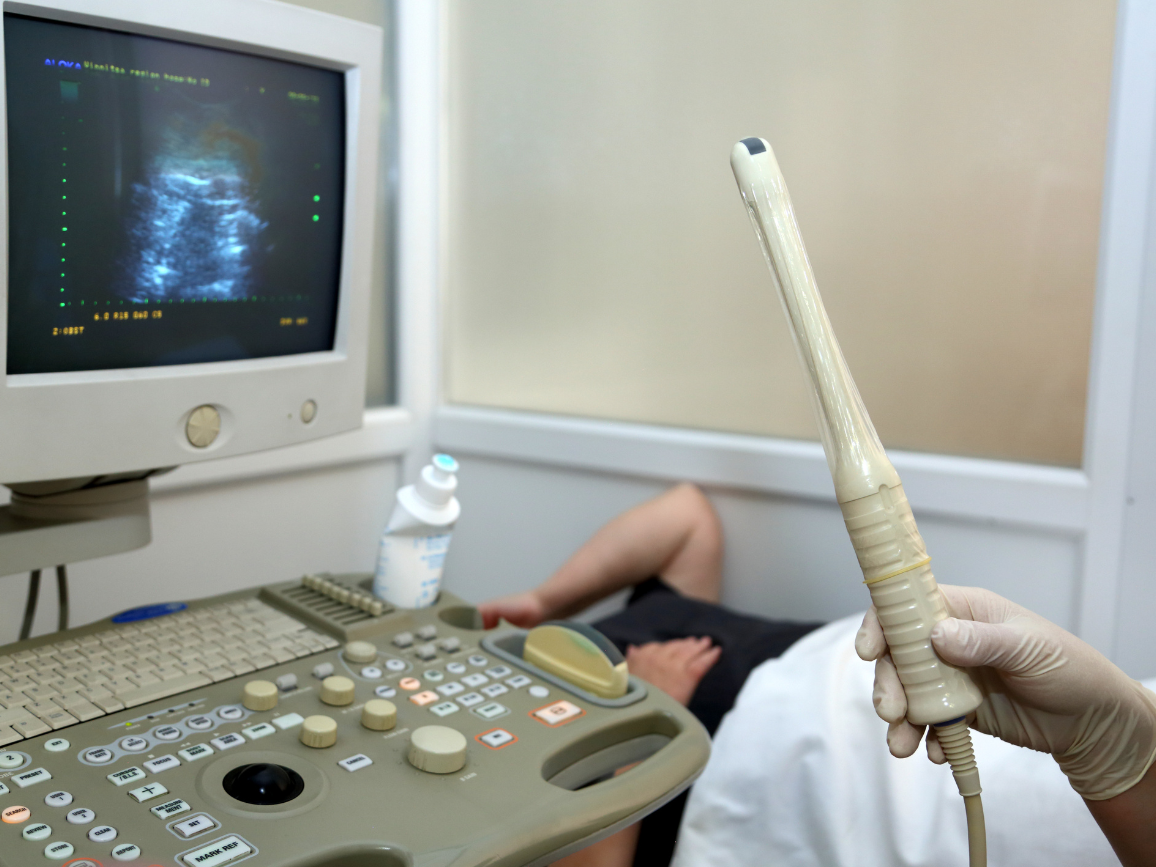
- In a transvaginal scan, a thin, sterilized probe is gently inserted a few centimeters into the vagina to provide detailed images of the uterus, ovaries, and surrounding structures.
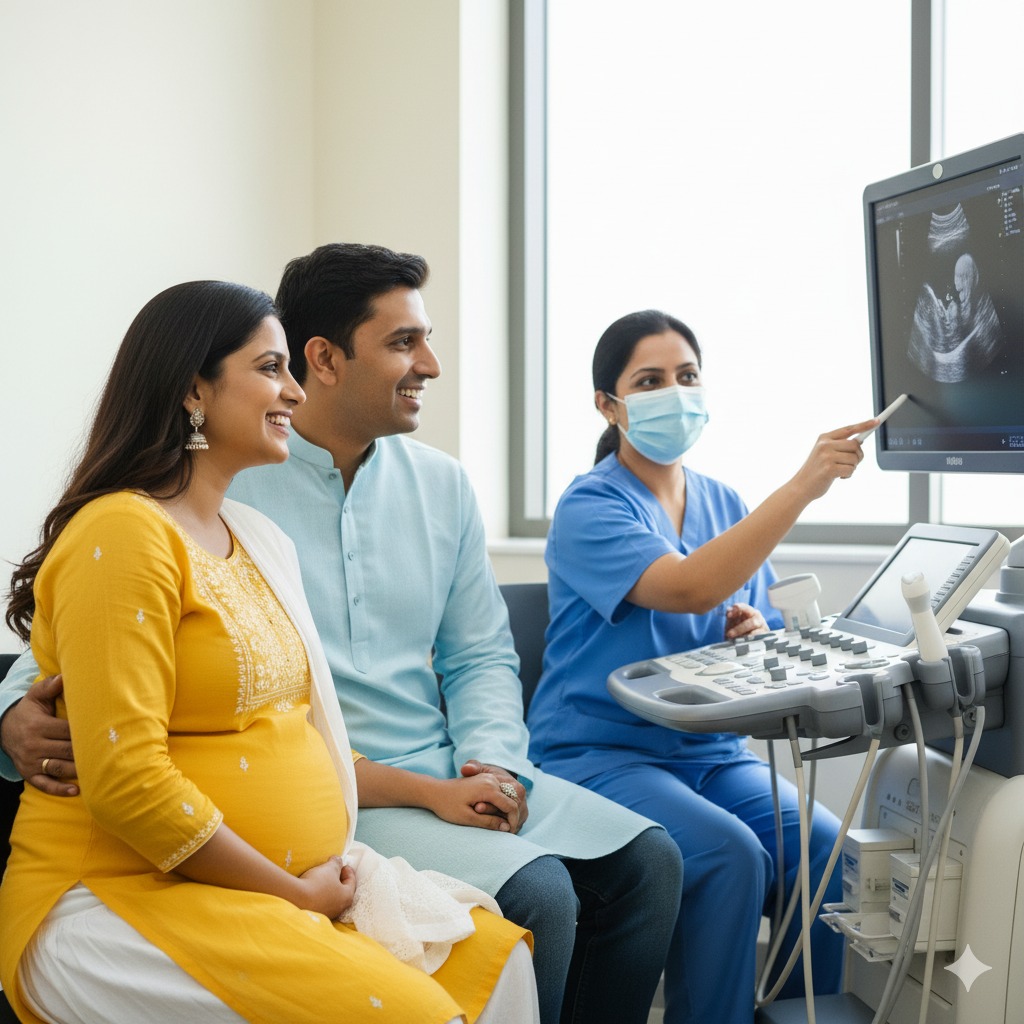
You might feel mild pressure but no pain. Our specialists ensure the process is handled with utmost care, explaining what’s being seen on the screen if you wish to follow along. At NESA, we prioritize your comfort — every scan is performed in a calm, private setting designed to help you relax. Your doctor or sonologist will explain what’s being viewed on the screen, helping you understand your body better.
3. What You’ll See and Learn
- Ultrasound imaging uses high-frequency sound waves to create real-time visuals of your internal organs.
- On the monitor, you might see the uterus, ovaries, endometrial lining, or even developing follicles (in fertility scans).
- Our specialists interpret these images immediately, helping identify any cysts, fibroids, or irregularities with accuracy and sensitivity.
4. After the Scan
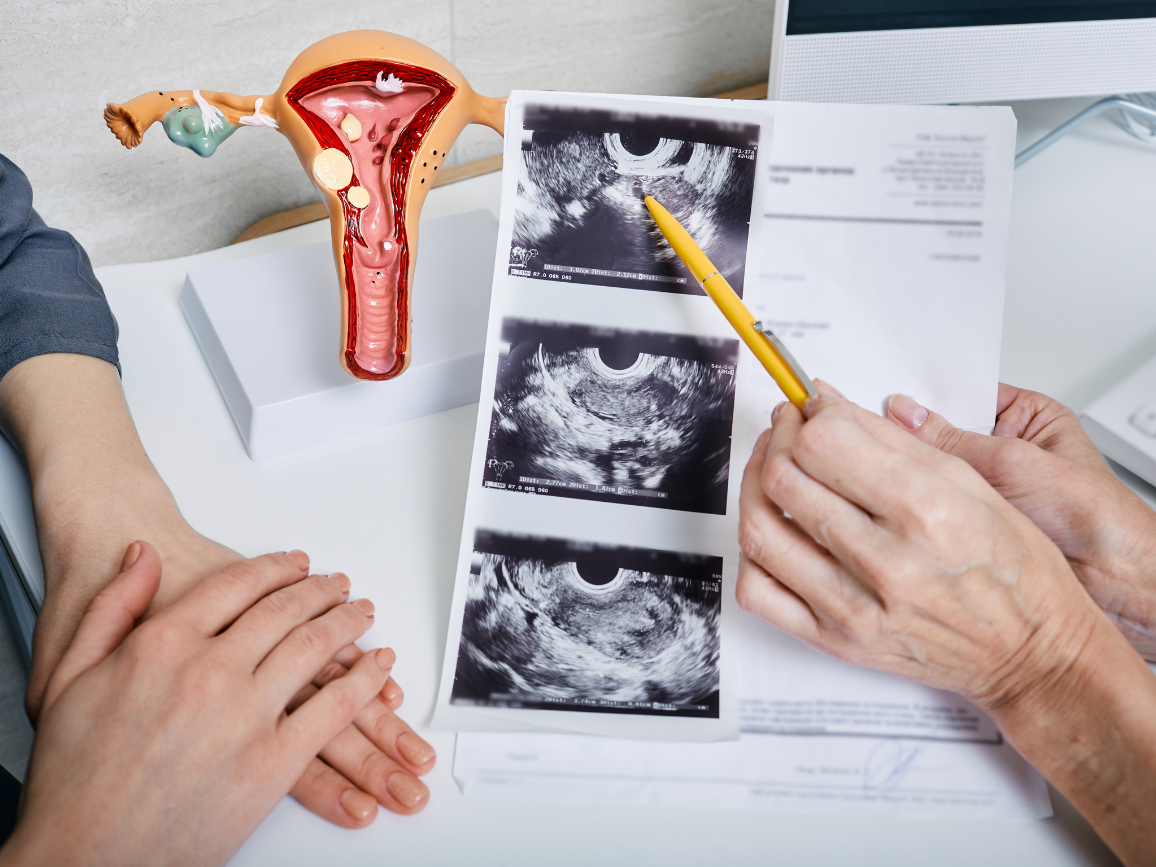
Once your scan is complete, you’ll receive your images and detailed report, often on the same day. Your doctor will walk you through the findings — explaining what’s normal, what might need attention, and what the next steps are.
If the scan is part of ongoing fertility or hormonal therapy, we’ll schedule follow-up scans to monitor progress. For most patients, there’s no downtime — you can return to your daily activities right after the procedure.
5. Your Comfort and Privacy Are Always Our Priority
We know gynecological scans are personal, and sometimes, emotionally sensitive. That’s why our team maintains strict confidentiality, gentle communication, and a supportive approach at every step. From soft-lit rooms to professional female technicians and clear explanations, every element of your experience at NESA is designed to make you feel safe and cared for.