Chorionic Villus Sampling (CVS): A Complete Guide
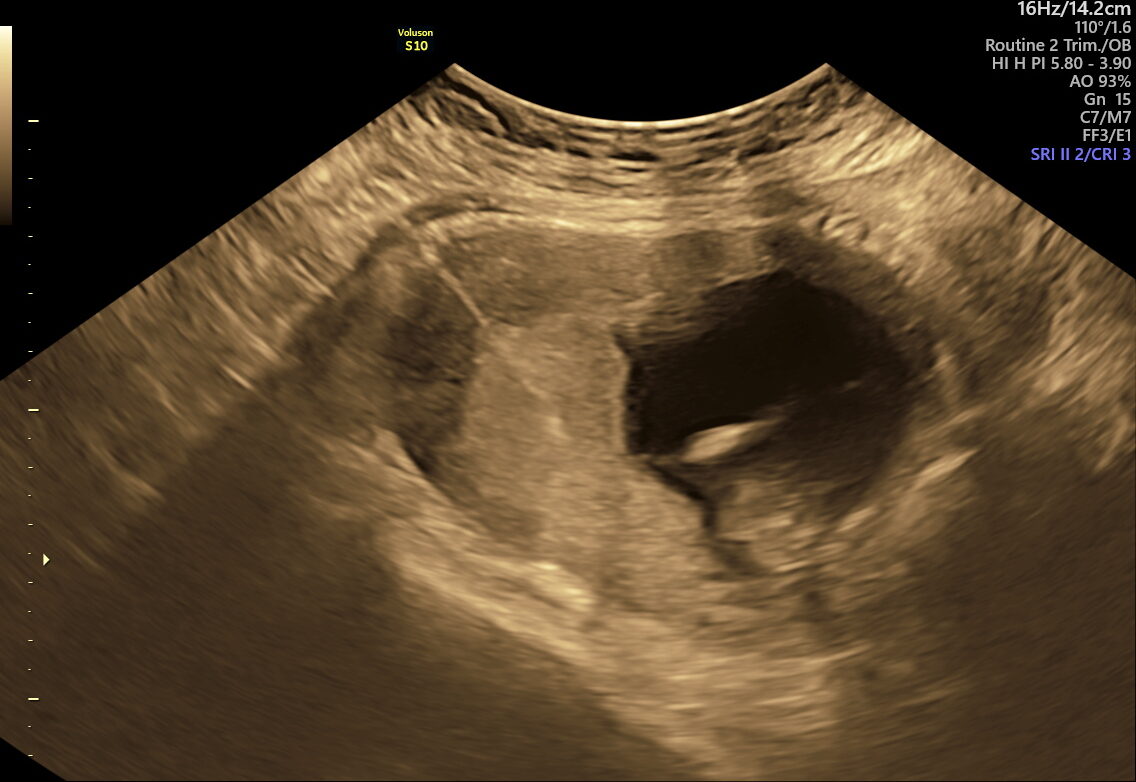
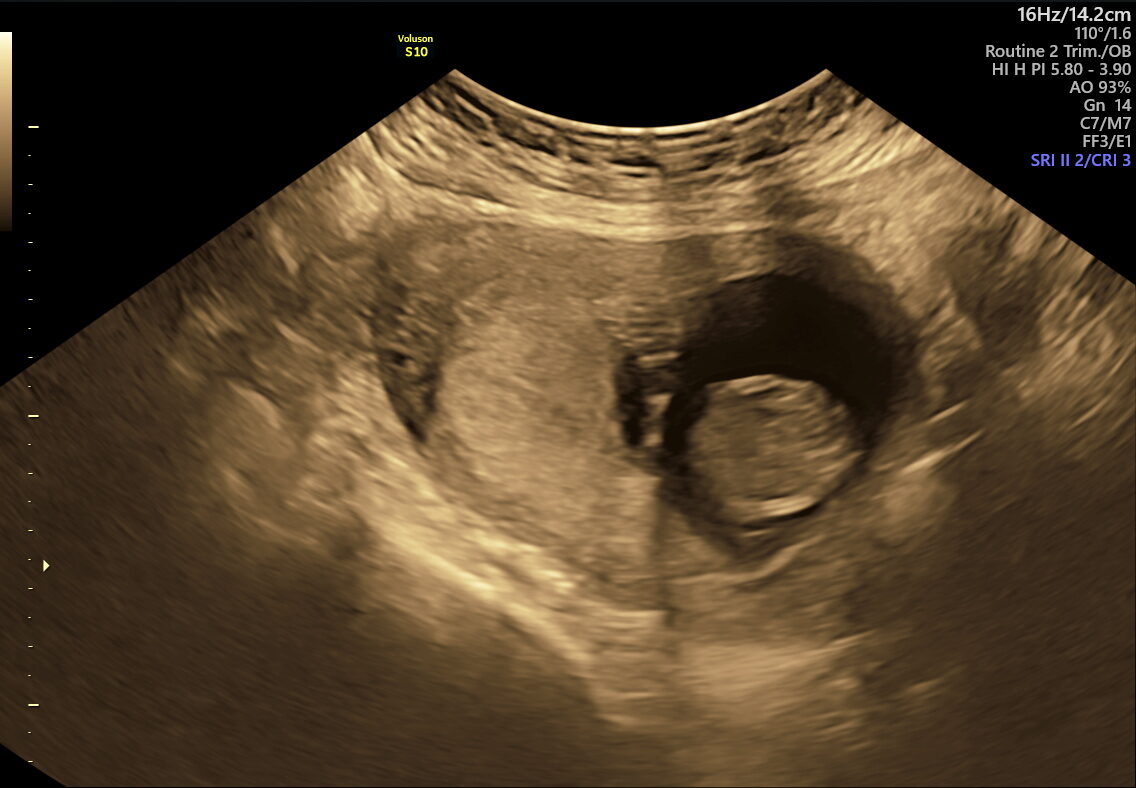
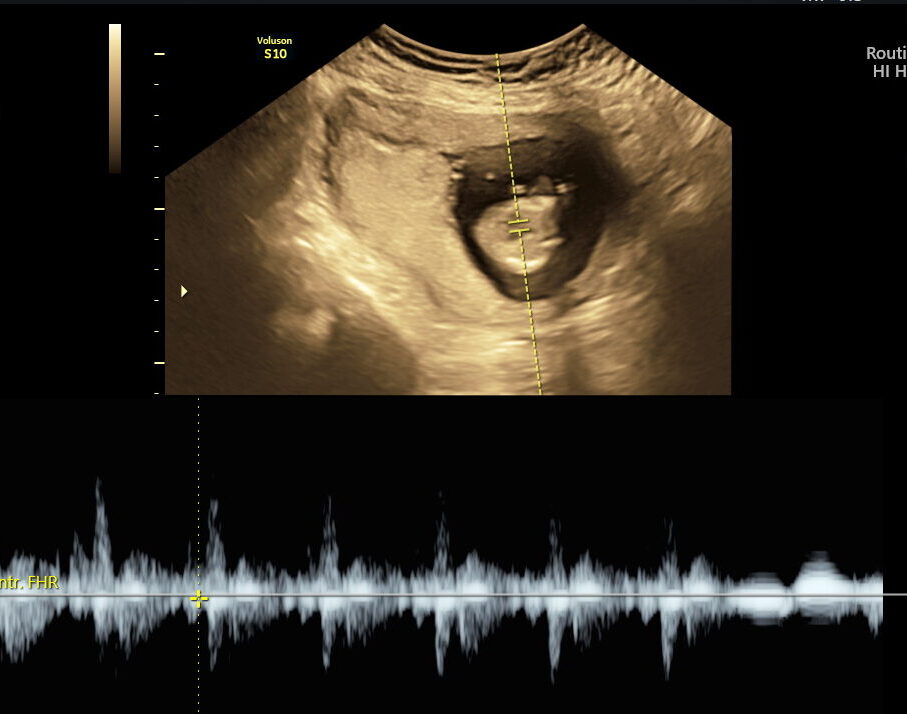
CVS is an early genetic test done between 10–13 weeks of pregnancy. A tiny sample of placental tissue (chorionic villi) is taken to analyze the baby’s chromosomes. CVS provides early answers for families at risk of genetic disorders or who have had abnormal screening results. Unlike screening tests that estimate risk, CVS provides clear, laboratory-confirmed answers. It is performed in the first trimester, making it one of the earliest opportunities for definitive genetic diagnosis during pregnancy.
Why Is It Needed?
CVS is recommended when parents or clinicians need accurate, early insight into the baby’s genetic health. The purpose is simple but critical:
- Detect inherited disorders
- Confirm chromosomal abnormalities
- Guide clinical decisions early, when more options are available
It supports informed choices, early intervention planning, and reduces uncertainty during a high-risk pregnancy.
When Is It Recommended?
Healthcare providers may suggest CVS when:
- First-trimester screening tests show increased risk of genetic conditions
- One or both parents are confirmed carriers of specific hereditary disorders
- There is a family history of genetic disease
- The mother will be 35+ at delivery
- A previous pregnancy was affected by a genetic/chromosomal condition
CVS is typically performed between 10–13 weeks of pregnancy.
What Does It Help Uncover?
CVS provides early diagnosis of:
- Chromosomal abnormalities (e.g., Down syndrome, Edwards syndrome)
- Single-gene disorders such as thalassemia, cystic fibrosis, SMA, or sickle cell disease
- Inherited metabolic conditions
- Certain structural or syndromic genetic conditions
CVS does not detect neural tube defects—that evaluation usually happens later through targeted ultrasound and maternal serum testing.
USP of Getting CVS Done at NESA Institute of Fetal Medicine
Choosing NESA ensures access to a level of fetal medicine expertise that prioritizes safety, precision, and clarity:
- Specialist-led procedures performed exclusively by fetal medicine experts with advanced training
- High-resolution ultrasound guidance ensures accurate sampling and minimal risk
- Stringent global safety standards are followed for every procedure
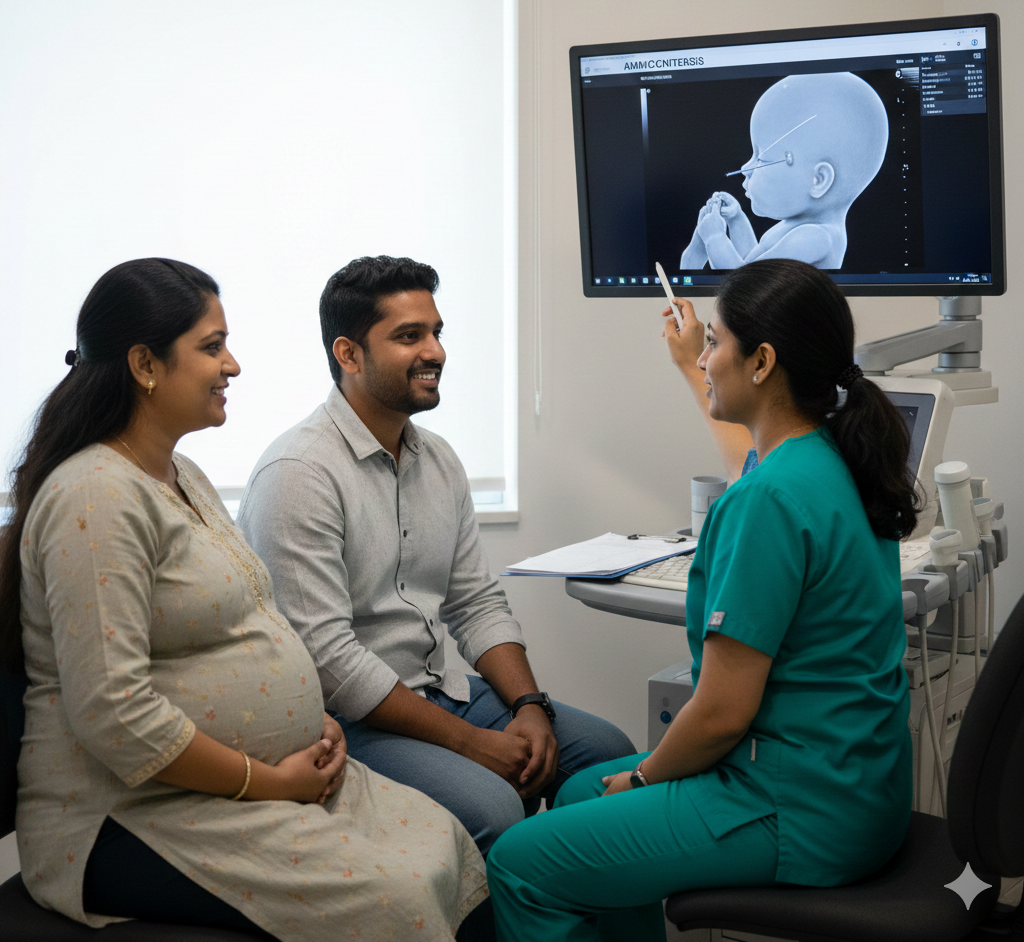
- Structured genetic counseling before and after testing to help parents understand indications, results, and next steps
- Partnership with accredited genetic laboratories for accurate, validated reports
- Seamless multidisciplinary support if further management is required
NESA combines medical excellence with compassionate, evidence-based care—ensuring parents receive reliable diagnostic information at the earliest, safest possible time.