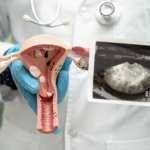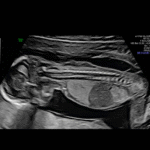
Women’s health deserves careful attention at every stage of life — from puberty to menopause. Gynecological ultrasound scans are simple, non-invasive imaging tests that help doctors assess the uterus, ovaries, fallopian tubes, and other pelvic organs. These scans play a key role in diagnosing conditions like PCOS, endometriosis, fibroids, ovarian cysts, and in assessing reproductive health before and after pregnancy. Whether you’re experiencing irregular cycles, planning for pregnancy, or managing a gynecological condition, these scans provide valuable insights that guide your treatment and care.
Why Gynecological Ultrasound Scans Are Important
Gynaecological ultrasounds do far more than just produce images — they help uncover what’s really happening inside your reproductive system.
Whether it’s for routine wellness, fertility planning, or managing an existing condition, these scans offer answers that guide timely and accurate care.
1. Spotting Problems Before They Escalate
Many gynecological conditions begin silently — with little to no symptoms in the early stages. Ultrasound scans can detect ovarian cysts, uterine fibroids, or pelvic infections before they cause pain or affect fertility. For instance, a small fibroid picked up early can often be managed with medication or minor treatment, preventing the need for surgery later.At NESA, advanced GE Voluson imaging captures fine details, giving doctors the clarity needed for early and confident diagnosis.
2. Reproductive Health Tracking — For Fertility and Conception
If you’re trying to conceive or undergoing fertility treatments, ultrasounds are a key part of your care plan.
A follicular study, for example, tracks how your eggs are developing and when ovulation occurs — helping couples plan the most fertile window.
Similarly, an endometrial thickness study ensures that your uterine lining is healthy enough for implantation.
These insights make conception less stressful and more predictable, offering reassurance and direction during your fertility journey.
3. Understanding Menstrual Irregularities — Finding the “Why” Behind Your Cycle Changes
Heavy bleeding, missed periods, or unpredictable cycles often signal an underlying cause.
Through ultrasound, doctors can detect conditions like Polycystic Ovary Syndrome (PCOS) — where the ovaries contain multiple small follicles — or endometrial abnormalities that affect the uterine lining.
For instance, if your cycles are delayed and you experience acne or weight changes, a pelvic ultrasound can confirm if PCOS is the reason.
It’s an important step toward getting the right treatment and restoring hormonal balance.
4. Symptom Diagnosis — Bringing Clarity to Common Discomforts
Pelvic pain, bloating, and abnormal bleeding are symptoms many women ignore or misread. An ultrasound provides a visual explanation — revealing issues such as endometriosis, ovarian cyst rupture, or uterine infections. For example, a woman experiencing constant lower abdominal pain might discover a small cyst pressing on her pelvic wall — something that only imaging can confirm. At NESA, our specialists ensure every patient understands what the scan shows, so you leave with answers, not uncertainty.
5. Monitoring Treatment Progress — Seeing How Your Body Responds
Once a diagnosis is made, follow-up ultrasounds are used to track how your condition is improving.
If you’re being treated for PCOS, fibroids, or post-surgical recovery, periodic scans help monitor changes in follicle size, uterine shape, or cyst resolution.
For example, a patient undergoing hormonal therapy may see the gradual shrinking of a fibroid over several months — visible proof that treatment is working.
These progress scans help doctors refine medications and ensure your recovery stays on track.
Why you can count on us for your Scan.
At NESA Institute of Fetal Medicine, every scan at NESA is conducted with precision, empathy, and transparency. You’re not just handed a report — you’re guided through what it means for your health. With expert-led imaging, the latest ultrasound technology, and a compassionate approach, NESA ensures every woman receives the clarity, reassurance, and care she deserves.