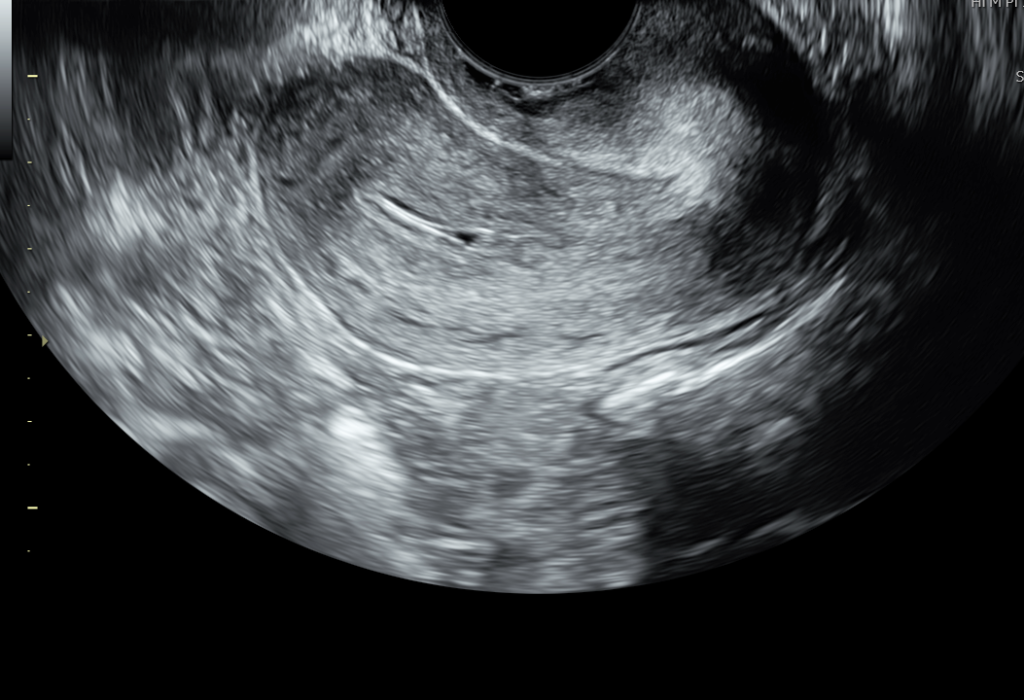
What Is an Endometrial Thickness Study?
An endometrial thickness study is an ultrasound scan that measures how thick and healthy your uterine lining is during your menstrual cycle. This lining is where an embryo implants — so its quality matters a lot for natural conception, IUI, and IVF cycles. Think of it as checking the soil before planting a seed. If the lining is just right, your chances go up. If something’s off, you and your doctor catch it early.
Why Is Endometrial Thickness Important?
Your uterine lining needs to reach the right thickness and texture to support pregnancy. This scan helps assess:
- How well your lining is growing
- Whether it’s thick enough for implantation
- Blood flow to the uterus
- Any abnormalities (polyps, fluid, scarring, etc.)
- Hormonal balance indicators
Basically, it gives your doctor crucial insights into whether your uterus is ready for embryo implantation.
How Does the Scan Work?
Simple, safe, and usually done via transvaginal ultrasound for the best visuals.
1. Scan During the Mid-Cycle Window
Most women are scanned between Day 10–14, when the lining is expected to reach its ideal thickness (around 7–14 mm).
2. Detailed Measurement
The doctor measures the thickness, shape, and texture of your lining.
You’ll also hear terms like “triple-line pattern,” which is a good marker for implantation.
3. Assessing Blood Flow
Doppler imaging may be used to check the uterine blood supply — a major factor for successful pregnancy.
4. Report + Action Plan
You get timely feedback, so that your fertility doctor can provide you with guidance on timing intercourse, IUI, Frozen Embryo Transfer, or correcting issues if the lining isn’t optimal.
Who Should Get an Endometrial Thickness Study?
This scan is recommended for:
- Anyone trying to conceive
- Women undergoing IUI or IVF
- Those with thin lining or irregular cycles
- Suspected PCOS or hormonal imbalance
- History of implantation failure
- Recurrent miscarriage
- Suspected uterine abnormalities
If you’re trying to get pregnant — naturally or with treatment — this scan gives crucial insights.